
Get A Free Legal Consultation
Focus on your health and loved ones while we focus on your mesothelioma claim.
- We fight to maximize your results
- Many clients get results in as few as 90 days
- No out-of-pocket costs for you or your family



Julie Gundlach grew up in the 1970s, when asbestos was still widely used across many industries. Her father, a commercial electrician for IBEW Local 1 in St. Louis, often came home covered in asbestos, unknowingly exposing his family.
Decades later, Julie was diagnosed with peritoneal mesothelioma. Determined to fight back, she worked with our mesothelioma law firm to secure compensation for her treatments and hold the companies responsible for her illness accountable.
Today, Julie has defied the odds as a nearly 20-year mesothelioma survivor. She uses her story to raise awareness about the risks of asbestos and support other patients navigating this cancer.
– Julie Gundlach, Mesothelioma Survivor
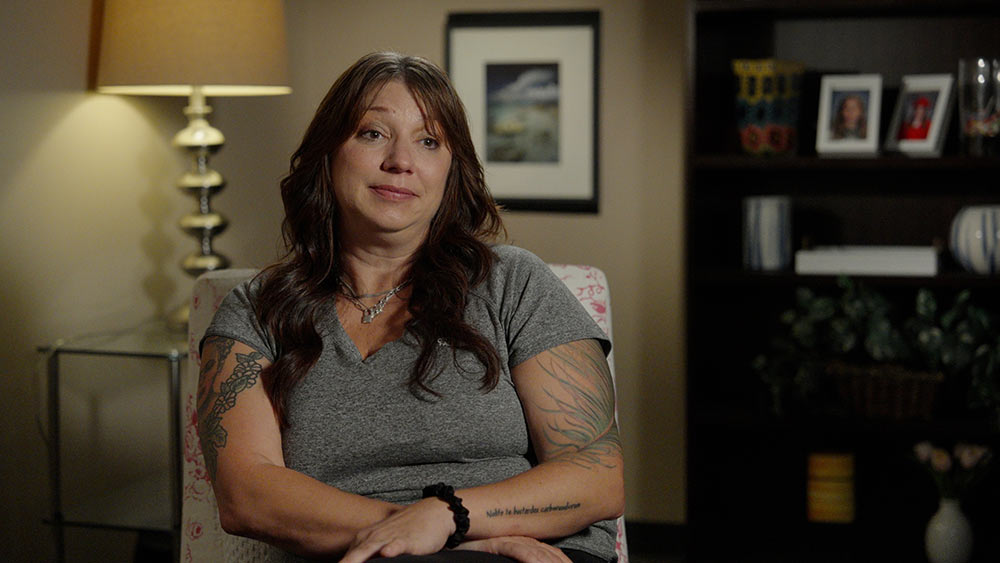
When she was older, Julie began experiencing digestive problems and constipation. Imaging tests revealed a mass in her pelvis. Without performing a biopsy, doctors assumed it was ovarian cancer.
In August 2006, Julie underwent surgery to remove the mass. During the procedure, doctors were surprised to learn it was actually peritoneal mesothelioma, which develops in the abdomen.
Because mesothelioma is often seen in older men who worked around asbestos, it may be initially misdiagnosed in women and younger patients.
Mesothelioma has one of the highest mortality rates among all cancers and has no cure. Her daughter Madeline was only 3 years old at the time of Julie’s mesothelioma diagnosis.
Driven to fight back for her daughter, Julie has significantly outlived her initial prognosis. Her cancer is now considered stable, allowing Julie to spend time with her family and serve as an advocate for other mesothelioma patients.
Mesothelioma was once considered a disease that affected mostly men due to on-the-job exposure, usually in trade roles. However, the number of women like Julie who are diagnosed with this cancer is growing each year.
In Julie’s case, she experienced exposure from her father’s job and from work the family did around the house:
“I was exposed to asbestos on several fronts that I know of. Specifically, my father was a tradesman. He was a commercial electrician and brought home fibers on his clothes. My parents also built the house I grew up in, in the late ’60s. It was in tiles. It was in drywall mud. I used to help my father change the brakes in his car. It was in the brake pads. It was everywhere.”
Women are more likely to be affected by secondhand asbestos exposure, which usually occurs when a family member brings home asbestos fibers on their clothes, shoes, or work equipment. These exposures are typically less concentrated than workplace exposures.
“It seems as though the data shows that people who had lower exposures take longer to develop mesothelioma, so we’ve seen a lot of family and children of workers exposed in the home, people exposed as bystanders, and we didn’t see that as much 10 years ago,” explains mesothelioma attorney Ted Gianaris.

After her mesothelioma diagnosis, Julie remembers being told to talk to a lawyer to make sure her affairs were in order. Her initially grim prognosis shattered her world, but Julie decided to seek out answers and pursue the best treatments possible.
With her young daughter in mind, Julie connected with the asbestos prevention community and considered taking legal action in order to afford her life-saving treatments in New York.
During a mesothelioma conference, she met Partner John Barnerd, and they connected immediately.
“We had similar backgrounds, and I live close enough that we could talk about the Cardinals,” Julie said. “We’ve been in it together since then. When I have needed anything, I have felt able to reach out to Simmons Hanly Conroy for help.”
Julie’s resolve to file a mesothelioma lawsuit only grew as she learned more about the negligent asbestos companies responsible for her illness.
Many of these companies knew about the dangers of asbestos since the early 1930s, but they didn’t warn the public. As a result, thousands of lives have been devastated by mesothelioma and other asbestos-related diseases.
– Julie Gundlach, Mesothelioma Survivor
As if a cancer diagnosis wasn’t bad enough, Julie also faced another battle — insurance companies who tried to deny her medical coverage.
She was told that her treatments were “experimental.” The insurers refused to pay her claims and told her she was out of network. While she fought for her life, Julie’s medical bills continued to increase.
“Even if your medical expenses are covered, there are so many things that aren’t. I wasn’t able to work for years and had no income coming in. And other bills don’t stop coming in because you’re sick,” Julie explained.
Our firm was able to secure meaningful mesothelioma settlements on Julie’s behalf, which helped ease the financial burden of her disease. The money she received also allowed her to travel back and forth to New York over 20 times to get the lifesaving treatment she needed.
“Even if it isn’t your first instinct to seek legal representation, I think it’s important to step back and look at things logically,” said Julie. “The fact is what I went through was expensive, and someone should be footing the bills — but it shouldn’t have to be me.”
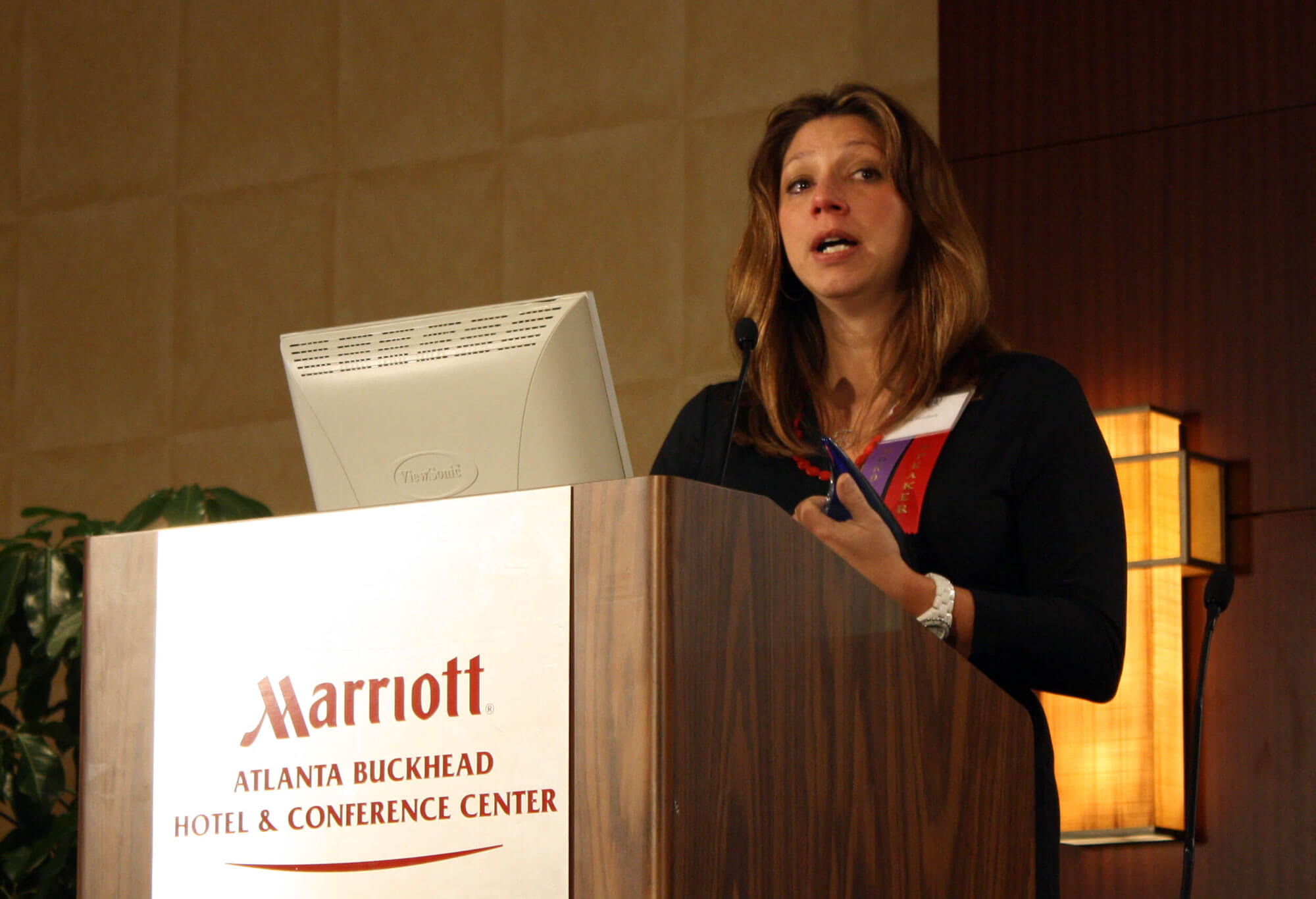
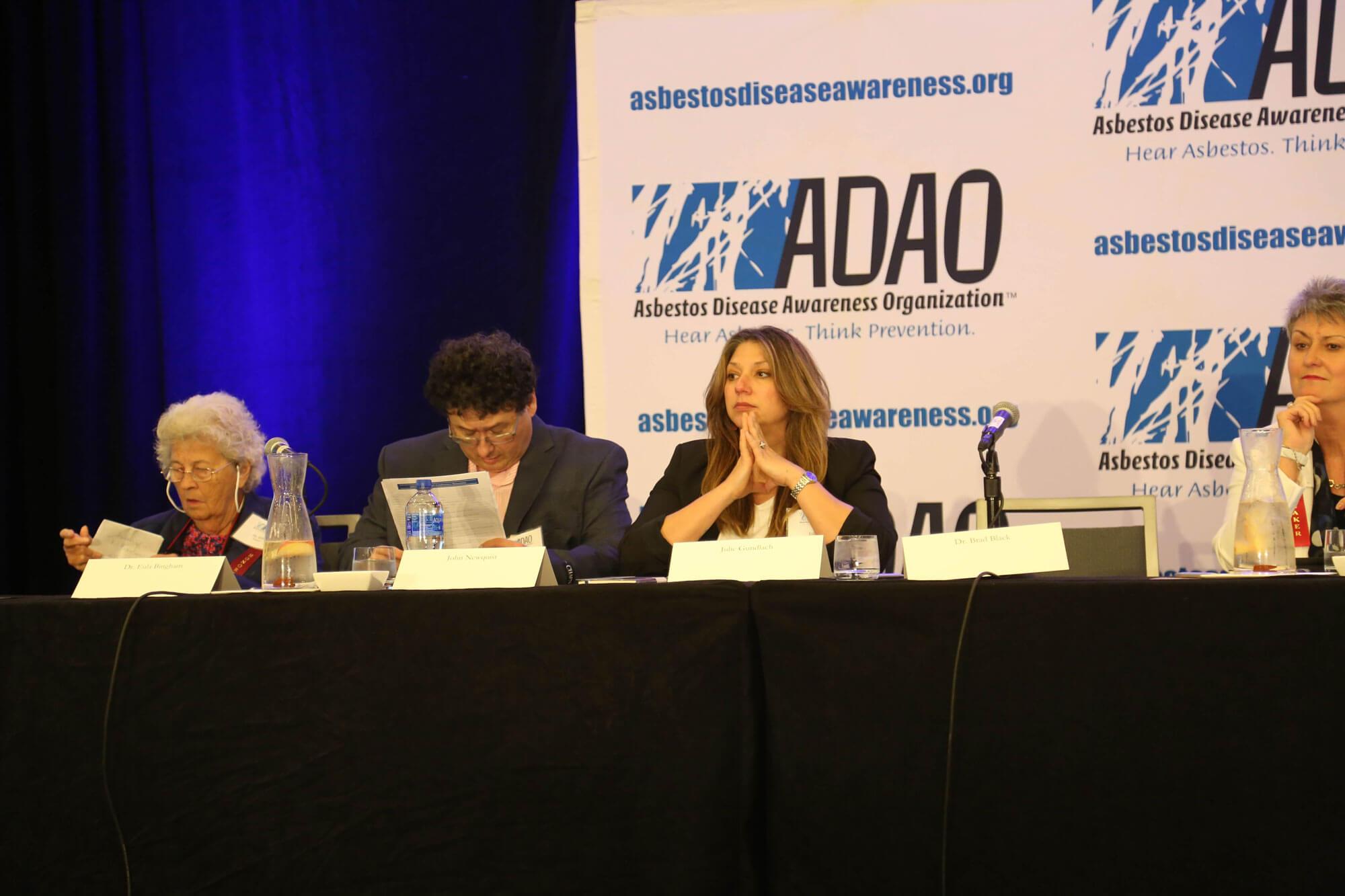
Julie’s approach to fighting mesothelioma has always been defined by determination and resilience.
“I was terrified that my daughter wouldn’t remember me,” said Julie. “Because of that, I decided early on that I was going to keep fighting no matter what. I was going to go to any length to save my own life, no matter what it took.”
She began seeking out mesothelioma specialists and regularly traveling to New York for treatment. She underwent multiple rounds of chemotherapy, as well as cytoreductive surgeries with hyperthermic intraperitoneal chemotherapy (HIPEC).
“They split me from breastbone to pelvis, removed as much tumor as they could, infused me with a heated chemotherapy wash for two hours, and closed me back up with 64 staples,” Julie explained.
By tackling each day and obstacle one at a time, she strives to not let the enormity of the disease overwhelm her:
“You’ve got to break it down to whatever is directly in front of you and just do that. You can’t think about everything you have to do, or it becomes far too overwhelming.”
Today, Julie is considered a long-term mesothelioma survivor. Doctors have declared her disease stable, meaning it’s not progressing — and she’s been treatment-free for over 10 years.
“When I reflect on almost 20 years of survival, it is with a sense of disbelief and gratitude, still tinged with sadness and anger too,” said Julie. “I often wonder what the last 20 years would’ve looked like had so much of it not been stolen by mesothelioma.”
The impact of her illness lingers. The years spent in and out of mesothelioma treatment changed her life in ways that can’t be undone, both physically and emotionally.
“There’s always the damage it did to my family and the things that I missed when my daughter was growing up, and things that I wasn’t able to be there for. It’s something that you carry, and I try not to let it make me bitter,” she said. “I think that’s all you can do.”
Despite everything she’s endured, Julie has found meaning in helping others. By sharing her story, she hopes to help patients with mesothelioma move forward after their diagnosis.
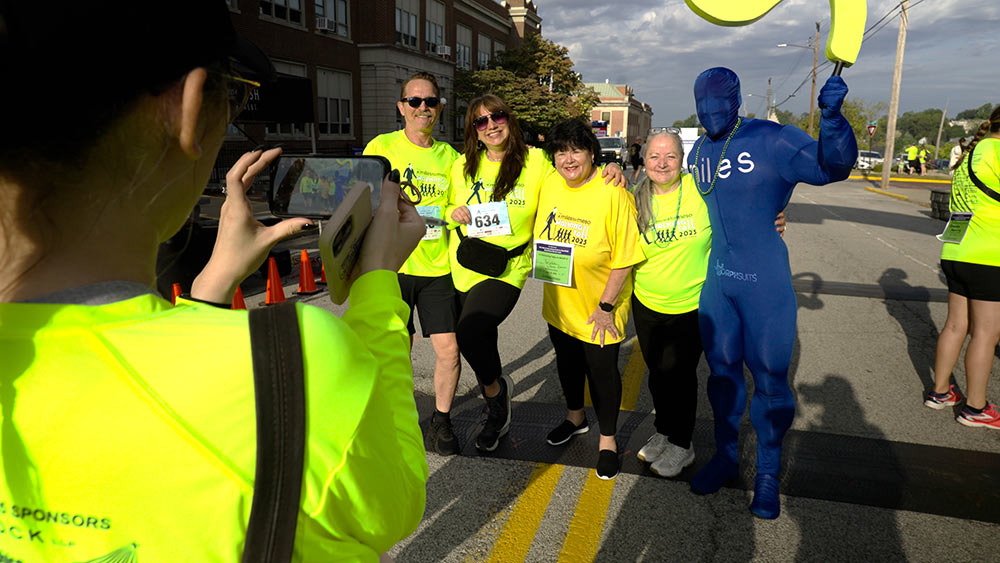
Over the years, Julie has transformed her experience with mesothelioma into a force for advocacy and awareness.
From fundraising to speaking before lawmakers, she’s devoted much of her life to raising awareness about the dangers of asbestos and supporting others facing this cancer.
Find out about Julie’s mesothelioma timeline:
•2005: Julie’s father passes away from asbestos-related lung cancer.
•2006: She is diagnosed with mesothelioma at age 35 and given 6-12 months to live.
•2007: Julie undergoes 2 cytoreductive surgeries and HIPEC treatments, along with additional chemotherapy.
•2008: Julie’s scans still show cancer. She is treated with a third cytoreduction, HIPEC, and more chemotherapy.
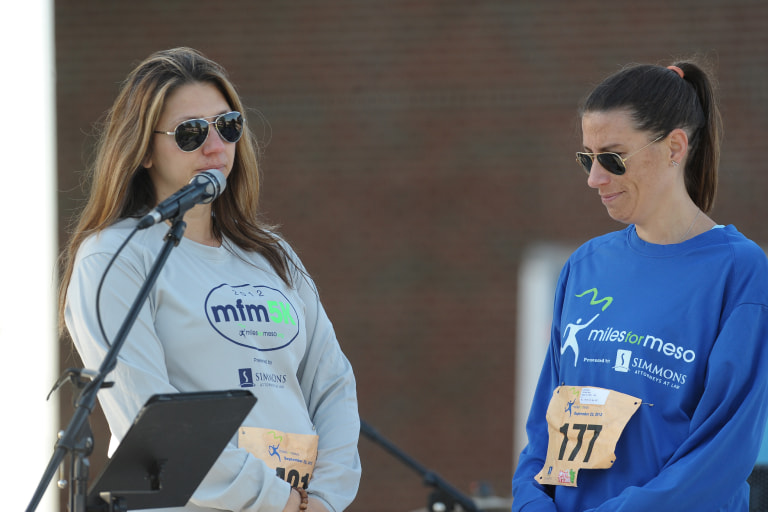
•2009: She runs in Simmons Hanly Conroy’s first Miles for Meso 5k road race and organizes a Miles for Meso 5K race in St. Louis, Missouri.
•2009: Thanks to Julie and the Mesothelioma Applied Research Foundation, the State of Missouri and the City of St. Louis pass Mesothelioma Awareness Day proclamations.
•2010: She is featured in the BBC’s investigative series called “Dangers in the Dust.”
•2011: She is presented with the Alan Reinstein Award at the Annual International Asbestos Awareness and Prevention Conference for her commitment to education, advocacy, and support to countless patients and families.
•2011: Julie rents a booth and hands out information about the dangers of asbestos at the St. Louis Earth Day Festival in Forest Park.
•2012: Julie works with the Congressionally Directed Medical Research Program. In her role, she reviews research grant proposals from the perspective of a cancer survivor and determines which projects would be helpful for other cancer patients.
•2014: After 5 years of monitoring the cancer, Julie’s doctors recommend a fourth cytoreductive surgery with HIPEC.
•2015: Julie speaks to IBEW Local 1, the electrician’s union her father worked for, about the dangers of asbestos exposure.
•2016: She becomes a 10-year mesothelioma survivor, a significant milestone in her fight. She also joins the Asbestos Disease Awareness Organization (ADAO) in Washington, D.C., to discuss mesothelioma awareness and fundraising for a cure in Senate briefings and other leadership meetings.
•2019: She serves as an ADAO ambassador to support the Alan Reinstein Ban Asbestos Now Act of 2019 introduced in Congress.
•2020: Julie appears as a guest speaker at the 37th Environmental Information Association Conference, held virtually due to the COVID-19 pandemic.
•2021: She serves as the keynote speaker at the ADAO’s Asbestos Awareness and Prevention Conference.
•2022-2024: Julie celebrates milestones with her family, embraces creative hobbies, and travels, maintaining a balance between advocacy and her personal life.
•2025: Julie attends the 17th Annual Miles for Meso event in Alton, which raises $25,000 for ADAO.
Julie’s continued dedication has helped countless families feel less alone in their own battles with mesothelioma. Through her advocacy, she’s turned unimaginable hardship into hope — not just for herself, but for others still waiting for a cure.
Throughout her journey with mesothelioma, Julie has leaned on the people and professionals who stood beside her — her loved ones, dedicated doctors, and the attorneys who fought in her corner.
“My advice to anyone who has been recently diagnosed is to tap into a support system wherever you find it,” said Julie. “Find yourself some legal help, and do whatever it takes to save your life. Go to any length, any hospital, to find the best person to treat you. Your life is all you have, and you have to fight for it.”
For Julie, hope and positivity have also remained at the heart of her nearly 2-decade battle against cancer. She’s learned the importance of not letting the disease define who you are or overshadow every part of your life.
“It’s very easy for a diagnosis like mesothelioma to steal your life,” Julie reflected. “It takes so much time and energy and brain space. You really need to find laughter and joy, and you need to find places where you can be you without the cancer.”
While Julie’s cancer is considered stable, she continues to get annual follow-ups at the National Institute of Health and is participating in a long-term survivorship study.
In addition to her own fight, Julie serves as an advocate for other mesothelioma patients. She also uses her voice to spread the word about the dangers of asbestos. Many people believe that asbestos has already been fully banned in the United States, but that is not the case.
“I take the frustration and the anger, and I turn it into advocacy and action, because that is all I know how to do,” Julie stated. “While there is a lot of gray in the world, I also know that there is right and wrong — and making a profit off of people’s pain and lives is wrong. I will not stop until we have a ban on asbestos.”
Since 2006, Julie has visited Capitol Hill many times to meet with political leaders about banning asbestos. She has also rented booths at Earth Day festivals to collect signatures in support of a ban and hand out literature about the dangers of asbestos.
“The asbestos industry does not want you to know that it is still in products. They don’t want those products labeled, because they want to keep everyone ignorant of where it is so they can absolve themselves of responsibility,” she expressed.
Julie has repeatedly told her mesothelioma survival story to news organizations in an effort to help people see that if the deadly consequences of asbestos exposure can happen to her, they can happen to anyone.
– Julie Gundlach, Mesothelioma Survivor
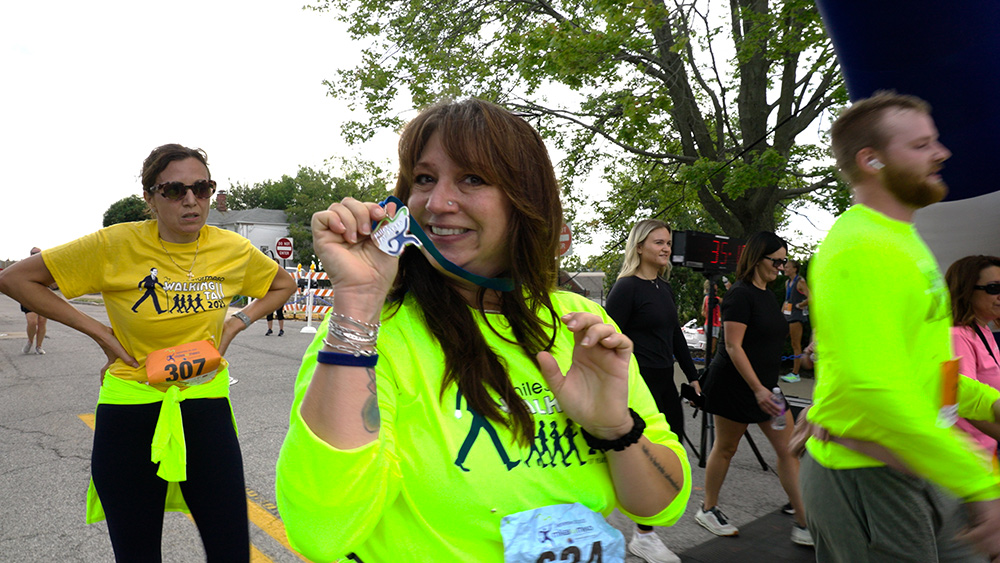
In conversation with her attorney at the firm, Julie helped spark the idea for Miles for Meso as a way to create a mesothelioma community and raise awareness. Since 2009, this 5k race and fundraiser has been hosted annually by Simmons Hanly Conroy.
The event takes place in Alton and brings together members of the mesothelioma community from across the country to raise awareness about the disease and remember those we’ve lost.
“I can’t believe that now there are 1,000 people, a petting zoo, snacks, beverages, and all of the runners and support staff,” Julie said. “I am over the moon that it has turned into what it has turned into.”
Each year, Julie continues to participate in Miles for Meso in order to honor those who have passed away and to keep pushing toward a future where no family has to face this cancer again.
 Start My Free Consultation
Secure Submission
 Written by:Simmons Hanly Conroy
The Simmons Hanly Conroy Editorial Team consists of journalists, writers and editors who strive to deliver accurate and useful information to families needing legal help. Our team works alongside the firm's attorneys and partners, as well as with medical professionals and other specialists, to keep all information relevant and helpful.