
How to Prove Asbestos Exposure
To secure compensation after a mesothelioma diagnosis, families need to prove exactly where, when, and how a victim was exposed to asbestos — and which companies are responsible. Because mesothelioma often takes decades to develop, this evidence usually has to be pieced together from records that are old, incomplete, or scattered across multiple sources.
At Simmons Hanly Conroy, we can do that work for you. For more than 25 years, our firm has built an extensive warehouse of evidence involving product records, job site histories, and industry documents.
We know how to prove asbestos exposure and secure meaningful compensation for our clients. Call (800) 326-8900 now.





Legally Reviewed and Fact Checked by: Nicholas J. Angelides, Partner, Simmons Hanly Conroy
How Do You Prove Asbestos Exposure for a Mesothelioma Legal Claim?
Proving asbestos exposure for a mesothelioma claim involves identifying which asbestos-containing products someone was exposed to and confirming that exposure through employment records, witness testimony, and other evidence.
Because mesothelioma can develop decades after exposure, experienced asbestos law firms often rely on multiple types of evidence to build a clear timeline and support your claim.
To prove asbestos exposure, our legal team typically:
- Interviews the patient or their family to identify previous jobs, employers, job sites, and the type of work performed, establishing the basics of where and when exposure may have occurred
- Cross-references that information against decades of gathered records and accumulated resources, including which products were used in a given industry during a specific time period
- Pinpoints the companies responsible for manufacturing, supplying, or distributing the asbestos-containing products the victim was exposed to
- Gathers additional evidence to substantiate the claim, like medical records and expert testimony
The goal is to build a complete picture of your exposure history using multiple sources of evidence. This documentation can help support claims against asbestos manufacturers, trust funds, or other responsible parties and strengthen your case for compensation.
At Simmons Hanly Conroy, our attorneys rely on a comprehensive database of asbestos products, job sites, and corporate records built over decades of asbestos litigation, so we don’t have to start from scratch when working on your case.

”We have an extensive database of documents that we’ve collected over 25 years, which we’re able to utilize for our clients. Whether it’s corporate invoices or U.S. Navy ship documents, these are all important pieces of evidence that help us prove what asbestos-containing products were at the sites where our clients were exposed.”
– Lisa Nathanson Busch, Firm Partner
Why Proving Asbestos Exposure Matters
Proving asbestos exposure is a key part of filing a mesothelioma lawsuit because it establishes who may be legally responsible for your illness.
Before compensation can be recovered, there must be evidence linking your diagnosis to specific asbestos-containing products, job sites, or companies. Your attorneys will then work to establish that companies knew or should’ve known about the dangers of asbestos.
The stronger the evidence, the stronger the case — and the better our chances of securing the best possible recovery for our clients.

- We fight to maximize your results
- Many get results in as few as 90 days
- No out-of-pocket costs for your family
Evidence Used to Prove Asbestos Exposure
Building a successful mesothelioma claim often requires assembling multiple pieces of evidence. Since exposures often occur across many different job sites and products, no single document tells the whole story.
Evidence used to prove asbestos exposure may include:
- Corporate documents
- Employment records, including Social Security earnings, apprenticeship documentation, union membership cards, and old payroll files
- Expert testimony
- Invoices
- Medical records
- Military service records
- Product catalogs, ads, newspapers, service manuals, and trade journals
- Regulatory and government records
- Witness statements

“We have a repository of documents that I call Google for asbestos. We have records of every boiler that was at any location that somebody worked on. So, clients can tell us the facts of where they worked, and we can help take that information, compare that to records, and match it up to show how they may have been exposed.”
– Andy Murrie, Firm Partner
Our mesothelioma attorneys and investigators know how to track down key records, trace them back to specific job sites and products, and build a complete picture of your asbestos exposure history.
Corporate Documents
Internal company records can be powerful evidence in an asbestos claim. These documents may include product manuals, safety reports, invoices, memos, testing records, and correspondence showing where asbestos was used and what companies knew about the health risks.
Corporate documents help connect a person’s exposure to a specific product, worksite, or manufacturer. They may also show that asbestos hazards were known but not adequately disclosed. In many cases, the cover-up runs deeper than most people realize.
Some companies were warned about the health risks of their products as early as the 1920s. By 1935, representatives from over 50 of the largest asbestos companies gathered to coordinate efforts to hide those risks from workers.
Proof that companies chose to conceal this information from the workers they harmed goes to the heart of why these companies can be held legally responsible for illnesses like mesothelioma.
Employment Records & Work History
The majority of mesothelioma cases are linked to occupational asbestos exposure, according to the Journal of Cancer Research and Clinical Oncology. As a result, your work history, or that of a loved one, often forms the foundation of your case.
Establishing where you worked, when you worked there, and what your job involved is often what allows attorneys to pinpoint the specific asbestos products you were exposed to.
Employment records that may be used to build your case include:
- Job site logs, work orders, and scheduling records
- Pay stubs and W-2s documenting where and when you were employed
- Pension and retirement records
- Social Security earnings statements showing employment history
- Union membership cards and apprenticeship records
- Workers’ compensation filings
Once we know where you worked and when, we can trace the products you were exposed to back to the companies that manufactured or supplied them and determine what those companies knew about the dangers of asbestos at the time.
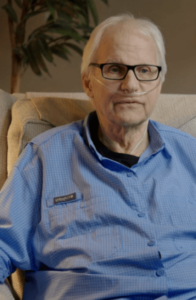
“So, what my lawyer did was he took on our case and wanted to know my past work history, everything I did. So we gave them all my scheduling and itineraries for as far back as we could go. It started back in the ’60s.”
– Jimmy, Stage Producer with Mesothelioma
It’s okay if you didn’t hold on to records from your previous jobs. Our investigators are skilled at tracking down documentation through unions, former employers, and other sources. We often uncover records that clients didn’t know still existed.
Expert Testimony
Expert testimony helps explain the complex medical, scientific, and industrial issues in an asbestos case to a judge or jury.
Medical experts can testify that a person’s mesothelioma was caused by asbestos exposure, while industrial hygiene experts can explain how asbestos was released from specific products and whether that exposure was significant enough to cause this disease.
By reviewing medical records, pathology reports, employment history, and product information, they can offer a professional opinion on the link between a client’s diagnosis and their exposure history.
Medical Records
To file a mesothelioma claim, you or someone you love needs to have been diagnosed with this cancer. Medical records can be used to help establish the presence of asbestos in the body and provide the clinical basis for expert witnesses to build their testimony around.
Medical records used in an asbestos exposure case may include:
- Biopsy results confirming a mesothelioma diagnosis
- Autopsy findings in wrongful death cases
- Imaging from chest X-rays and CT scans showing asbestosis, pleural plaques, or tumors consistent with asbestos exposure
- Pulmonary function tests measuring the impact of asbestos-related damage on lung capacity
A biopsy isn’t always possible, especially for elderly patients whose health makes the procedure too risky. That doesn’t always rule out legal action. In one case, we secured compensation for a 91-year-old client turned away by another firm because doctors were unable to confirm his diagnosis with a biopsy.
Our team can work closely with your treating physicians to gather and organize this documentation in order to paint a clinical picture that connects your diagnosis to your history of asbestos exposure.
Military Service Records
A third of all mesothelioma diagnoses involve U.S. veterans and military asbestos exposure, which is often proven through records showing where and when you served.
Key military service records include:
- DD-214 discharge papers confirming branch, dates of service, and military occupational specialty (MOS)
- Service personnel records detailing assignments, duty stations, and deployments
- Ship deck logs and naval vessel records identifying asbestos-containing materials aboard specific U.S. Navy ships
- Nexus letters from physicians formally connecting your mesothelioma diagnosis to asbestos exposure during military service

“We mainly need information that can tell us how you were exposed to asbestos, such as when you served in the military and what your rate, MOS, or job specialty was.”
– Ricky LeBlanc, VA-Accredited Asbestos Attorney
Mesothelioma lawsuits are filed against private companies that supplied asbestos products to the military. Veterans may be able to use military service records as evidence to pursue additional compensation from a VA benefits claim.
Our firm has proudly represented over 3,800 veterans across every branch of service, helping them secure the justice and compensation they deserve.
Product Catalogs & Ads
While corporate documents reveal what asbestos companies knew behind closed doors, product catalogs and marketing materials show what they were selling — and to whom.
For decades, manufacturers published detailed catalogs, specification sheets, and product literature identifying their asbestos-containing materials by name, product number, and intended use.
Records in this category may include:
- Building and construction records listing materials used at specific job sites
- Manufacturer price lists and distribution records showing where products were sold
- Product catalogs and marketing brochures
- Specification sheets and material data sheets detailing product composition
- Safety Data Sheets (SDS) and Material Safety Data Sheets (MSDS) documenting known hazards

“I review old company records, supplier lists, product manufacturing details, and court documents from past cases to piece things together and prove someone’s exposure history.”
– Arthur Prystowsky, Firm Partner
These materials are invaluable in an asbestos exposure case because they allow our attorneys to confirm that a specific product existed, what it contained, and where it was sold and distributed.
Regulatory & Government Records
Federal and state agencies have been documenting asbestos use, workplace hazards, and environmental contamination for decades. Those records can serve as powerful evidence in an asbestos exposure case.
Regulatory and government records that may be relevant include:
- Air quality monitoring data from worksites showing airborne asbestos fiber levels
- Government contractor records identifying asbestos-containing materials used on federal projects
- Occupational Safety and Health Administration (OSHA) inspection reports and citations documenting asbestos hazards at specific job sites
- State environmental agency records on asbestos use and cleanup efforts
- U.S. Environmental Protection Agency (EPA) records identifying asbestos contamination at industrial facilities and Superfund sites
- Workers’ compensation claim history documenting prior asbestos-related health complaints
What makes these records particularly valuable is their independence. When an OSHA report confirms that a job site had an asbestos problem or an EPA record places a specific product at a specific facility, that evidence is difficult for defendants to dispute.
Witness Statements
Hearing from others who witnessed asbestos use firsthand can be some of the most compelling evidence in a mesothelioma case, helping to corroborate a client’s exposure and paint a clearer picture of how it occurred.
Witness statements may come from:
- Family members who can testify to the use of asbestos-containing products, either at home or as a result of asbestos fibers carried home on work clothing
- Former co-workers who can confirm which products were present at a job site and describe working conditions
- Supervisors or foremen who can speak to safety practices, or the lack thereof
- Union representatives with knowledge of the materials used on specific jobs
Tracking down witnesses from jobs held 30 or 40 years ago is rarely easy, but it’s work our team takes seriously. When our client Kelly’s father Charlie passed away, their attorney spent nearly 2 months following up with a former co-worker who had agreed to give a deposition but then went out of contact.
“Without our attorney’s dedication and care, our case would have been much weaker after my father passed,” Kelly recalled.
How Our Legal Teams Secure Evidence of Asbestos Exposure
At Simmons Hanly Conroy, every mesothelioma client is assigned a team of experienced medical and legal professionals who will work on their case and secure evidence of asbestos exposure. Every case starts the same way: a detailed interview with the patient or their family.
From there, we get to work pulling records, searching our archive, locating witnesses, and building the documentation needed to prove your claim. Each member of your team will bring a different piece of the investigation together, completing the full picture of your exposure history.

“The absence of obvious documentation doesn’t mean the case isn’t there. It means you need attorneys who know where to look and have the resources to keep looking. That persistence is what connects a diagnosis today to an exposure that happened half a century ago.”
– Nick Angelides, Chair of the Asbestos Department
To date, we’ve handled over 8,900 asbestos claims nationwide. Find out more about the team members who work together to build your case and secure evidence of asbestos exposure.
16 Full-Time Case Investigators
Our firm employs 16 full-time case investigators who are dedicated exclusively to asbestos and mesothelioma cases. They personally meet with each client at their home, the hospital, or wherever is most comfortable for them to conduct a detailed exposure interview.
Our investigators are trained to walk through a client’s work and family history, drawing out the specific details that allow us to identify which products were present, which companies are responsible, and what evidence we need to build the strongest possible case.

“On our team, we listen to a family’s story and gather medical and work-related information to figure out if we can help the family gain the compensation they deserve.”
– Sam Timpe, Asbestos Investigator & Paralegal
Some of our investigators even come from law enforcement backgrounds, including former police officers who bring a trained investigator’s instincts to every case. They know how to ask the right questions, follow up on leads, and uncover details that might otherwise go unnoticed.
In-House Medical Department
Medical evidence is central to every asbestos exposure case. Having registered nurses on staff who understand both the clinical and legal dimensions of a mesothelioma diagnosis gives our attorneys a significant advantage in building a strong case.
Led by registered nurses, our in-house medical department reviews scans, analyzes pathology findings, and coordinates with treating physicians to confirm the type and location of a client’s cancer and its link to asbestos exposure.

“In addition to providing health care information and treatment options to clients, my team helps the trial team by collecting medical evidence, interpreting records and charts, and interacting with outside medical experts to assist in each client’s case discovery.”
– Amy Fair, Registered Nurse
For clients and their families, the medical team also serves as a knowledgeable and compassionate point of contact throughout the legal process by answering questions about the diagnosis, explaining treatment options, and helping patients navigate treatment side effects.
Research and Discovery Department
Behind every asbestos exposure case is a significant amount of research. At Simmons Hanly Conroy, we have a dedicated team of veteran attorneys and Ph.D. researchers who work to uncover the historical, scientific, and legal evidence needed to strengthen each case.
Our team has accumulated a deep knowledge of the companies, products, and industries at the center of this litigation. When a new case comes in, they can draw on decades of prior research rather than starting from scratch.
Their work may include:
- Combing through court documents from prior cases involving the same defendants to identify useful precedents, admissions, or evidence
- Identifying and analyzing regulatory records, OSHA filings, and government documents relevant to a client’s exposure history
- Researching the history of specific job sites, industries, and manufacturers to establish which products were in use and when
- Reviewing scientific and medical literature to support causation arguments and stay current on asbestos-related disease research
- Supporting trial teams with research that anticipates and counters defense arguments
That depth of knowledge takes decades to build, and it’s one of the reasons our attorneys can walk into a courtroom already knowing more about a defendant’s history than the defendant might prefer.
Our Robust National Network of Experts
We’ve spent decades building relationships with the most respected voices in asbestos-related medicine and occupational health, and we know how to present their findings in a way that resonates with a jury.
These experts include:
- Forensic pathologists who conduct fiber burden analysis, which is a laboratory examination of lung or tissue samples that can identify the type and quantity of asbestos fibers present
- Industrial hygienists who reconstruct workplace conditions and estimate the level of asbestos exposure a client would have experienced in a given role or job site
- Medical oncologists and pathologists who confirm the diagnosis and explain how asbestos fibers cause mesothelioma at a cellular level
- Occupational medicine specialists who link a client’s specific work history to their diagnosis

“I work with top medical and industry experts to make sure the jury understands exactly what happened to these people and who is responsible.”
– Juan Bauta, Firm Partner
The relationships we’ve established with leading asbestos experts over 25 years mean we know exactly who to call when a case needs additional evidence.
Our Warehouse of Evidence Built from Decades of Experience
Since our founding in 1999, we’ve handled thousands of asbestos exposure claims across all 50 states. The evidence we’ve gathered from each of these claims all feeds into our 20,000 sq. ft. warehouse of evidence, and it’s one of the most powerful tools we bring to every case.
When a new client comes to us, our team cross-references their work history and timeline against that archive, matching job sites, employers, trades, and product names against decades of records to reconstruct the specific pathway of exposure.

“Our firm maintains databases of old product catalogs, company records, and job site information that we use to identify the likely sources of exposure. That allows us to connect the dots even when the exposure happened a long time ago.”
– Casey Cira, Firm Partner
More often than not, we find something relevant. Chances are, we’ve already represented someone who worked at the same job site, handled the same asbestos products, or was exposed by the same company as you.
For a newly diagnosed patient trying to piece together an exposure that happened decades ago, that depth of accumulated knowledge changes everything. You don’t need to remember every product name or every job site. We may already have the answers you’re looking for.
Compensation for Victims of Asbestos Exposure
At Simmons Hanly Conroy, we’ve secured more than $10.6 billion in mesothelioma settlements and verdicts for families nationwide.
Many of the award-winning results we’ve achieved have been made possible by the strength of evidence we’ve gathered to prove asbestos exposure in each case.
Results we’ve secured for victims of asbestos exposure include:
- $250 million to an Indiana steel worker
- $40.1 million for a U.S. Navy veteran who served on ships ported in New York
- $34 million to a California mechanic with mesothelioma
- $24.4 million for a janitor exposed to asbestos-contaminated talc in Illinois
- $15 million to a victim of secondary asbestos exposure
- $6.6 million for a union pipefitter in Florida
- $10.3 million to a Texas man who was exposed to asbestos while working as a longshoreman in the 1960s
- $5.73 million for an Ohio floor supervisor and floor installer
- $8 million to a pipefitter and plumber
- $13.1 million for a carpenter with mesothelioma
- $14.8 million to a roofer in Missouri
Every case is different, and the amount of compensation a client may receive depends on factors like age, diagnosis, exposure history, and how well that exposure is documented through supporting evidence.
At Simmons Hanly Conroy, we’re committed to building strong cases for our clients in order to maximize the compensation they may receive.
- We fight to maximize your results
- Many get results in as few as 90 days
- No out-of-pocket costs for your family
Strong Evidence Leads to $60 Million Mesothelioma Verdict
As a teenager, Pietro Macaluso worked in construction, demolishing boilers he remembered as being full of asbestos. However, since he was paid in cash under the table, there were no employment records available to use as evidence in his mesothelioma lawsuit.
Our attorneys tracked down Macaluso’s former employer and called him as a witness. Under oath, the contractor confirmed that Macaluso had worked for him and that the company had been caught by the Department of Labor for keeping workers off the books.
“It’s detective work,” said Partner Jim Kramer. “Going back decades to discover where this exposure might have occurred is always step 1.”
At trial, manufacturer A.O. Smith denied ever producing the type of cast-iron sectional boiler Macaluso remembered demolishing. Our attorneys confronted their representative on the stand with official company documents from the 1950s proving they had made exactly that boiler.
From there, the defense’s arguments fell apart. A New York jury awarded Macaluso’s estate $60 million — the largest single-plaintiff verdict in New York City asbestos litigation history.
Award-Winning Asbestos Verdict Over Proving Exposure
In another case, we represented a Delaware man who spent nearly 40 years working at a ceramics plant, dusting molds with talc powder supplied by RT Vanderbilt. Unaware that the talc was contaminated with asbestos, he developed mesothelioma and passed away shortly after.
Initially, RT Vanderbilt denied any responsibility for the man’s illness. However, our attorneys worked with medical experts to analyze fibers recovered from his lungs to identify where the asbestos had come from.
What they found was definitive: The asbestos fibers bore the distinctive characteristics of RT Vanderbilt’s talc, traceable directly to the company’s mine in upstate New York.
It was the kind of evidence that left no room for doubt or denial. A jury agreed, awarding his family a $2.86 million verdict — the largest asbestos verdict against a single defendant in Delaware in over a decade.
Challenges in Proving Asbestos Exposure in Court
Proving asbestos exposure is never simple, but some cases present obstacles that would stop a firm without our level of resources in their tracks.
Some of the challenges in proving asbestos exposure in court include:
- Cases involving take-home or secondary asbestos exposure
- Long latency periods that put decades between the exposure and the diagnosis
- Multiple job sites or employers across a lifetime of work
- Little or no employment documentation
- Wrongful death cases, where the victim has already passed away

“Whether the victim is here to tell their story or the family is telling it for them, our job is the same: We build a strong case, prove what happened, and hold negligent asbestos companies accountable.”
– Daniel Blouin, Firm Partner
What separates Simmons Hanly Conroy from other firms isn’t just our willingness to take on difficult cases. It’s our ability to secure results for those we represent.
Our national presence means we have experience helping families in every state. Regardless of where exposure may have occurred in the U.S., we already know the industries, the job sites, and the asbestos products that were used there.
A local firm working on an asbestos case hundreds of miles from familiar territory simply doesn’t bring that same depth of knowledge to the table.
Proving Secondary Asbestos Exposure
In secondary asbestos exposure cases, a mesothelioma patient may have never stepped foot on a job site where asbestos was used. Instead, they were likely exposed at home through asbestos fibers brought home on a loved one’s work clothes or tools.
In proving secondary exposure, our attorneys need to establish which asbestos products were present at a family member’s workplace and that those products released enough fibers to cause illness in someone who never worked with them directly.
We’ve successfully reconstructed the entire work history of a patient’s spouse or parent in order to prove how asbestos found its way into a home.

“My father would come home from work, and I’d run up and hug him. He was covered in dust from a worksite. We didn’t know that that included asbestos dust.”
– Julie, Mother with Mesothelioma
Asbestos in Talc Cancer Evidence
Asbestos can be found in talc, a naturally occurring mineral that was used for decades in everyday consumer products like baby powder, cosmetics, and personal care products.
This nontraditional exposure requires a different evidentiary approach than an occupational case, since there are no job site records, no employment history, and no co-workers to interview.
Evidence we use to prove mesothelioma from asbestos in talc includes:
- Expert testimony from geologists, industrial hygienists, and pathologists linking a specific product to a patient’s diagnosis
- Corporate documents revealing that manufacturers were aware of contamination and failed to disclose it
- Geological and mining records identifying asbestos contamination in specific talc deposits
- Product testing reports and internal company analyses showing asbestos fibers present in finished products
In some cases, we’ve even been able to test talc products themselves, from older bottles a client may still have at home or tracking down discontinued products sourced through collectors and secondary markets.
Companies that made or sold asbestos-contaminated talc products have attempted to challenge the credibility of medical experts and scientists called in these cases, making strong documentation and well-supported testimony especially important.
Statutes of Limitations on Asbestos Claims
Even with the strongest evidence, a mesothelioma claim can be barred entirely if it isn’t filed in time. Every state has a statute of limitations, which is a legal deadline that restricts how long a patient or their family has to take legal action.
In most states, that window is 1 to 3 years from the date of a mesothelioma diagnosis or the date of a loved one’s death. This is one of the most important reasons to contact an attorney as soon as possible after a diagnosis.
Because we practice in all 50 states and have successfully recovered compensation under every state’s rules, we know how to move quickly when time is short — and how to make sure a deadline never stands between a family and the justice they deserve.
Get Help Proving Asbestos Exposure for Mesothelioma
If you or a loved one has been diagnosed with mesothelioma, all we ask is that you tell us your story. From there, our attorneys can do the work of proving asbestos exposure and building a strong legal claim on your behalf.
We’ve helped thousands of families across the country pinpoint sources of asbestos exposure and secure compensation from the companies responsible.
To date, our firm has recovered more than $11 billion to help clients with medical bills, lost wages, funeral expenses, and other costs associated with a mesothelioma diagnosis.
Call (800) 326-8900 now or fill out our contact form to see if we may be able to fight for your family.
Fill out the form below and we'll reach out to you.
Secure Submission
How to Prove Asbestos Exposure FAQs
How do I prove that I was exposed to asbestos?
To prove asbestos exposure, you typically need to connect your mesothelioma diagnosis to a specific source, such as a job site or product where you may have breathed in or swallowed asbestos fibers.
This usually means piecing together evidence like employment records, medical documentation, and product history, since exposure often occurs decades before a mesothelioma diagnosis due to the disease’s long latency period.
An experienced mesothelioma attorney can handle the investigation for you, drawing on employment records, witness testimony, product databases, and decades of case history to piece together your exposure. This way, you can focus on your health and family.
Contact Simmons Hanly Conroy now to see if we can use our warehouse of evidence on asbestos products to prove your exposure history.
What evidence is needed for a mesothelioma claim?
A successful mesothelioma claim typically requires medical records confirming your diagnosis, employment or occupational records establishing where and when you were exposed to asbestos, and product identification linking your exposure to specific asbestos-containing materials and the companies that made them.
Depending on your case, this may also include witness testimony from former coworkers, military service records, corporate documents, and expert testimony from medical and industrial hygiene specialists.
The strength and combination of evidence will vary by case — but you don’t need to have all of it in hand before contacting us. Our investigators and research team will work to gather what’s needed on your behalf.
Can I file a mesothelioma claim if I don’t know how I was exposed to asbestos?
Yes. Most people diagnosed with mesothelioma don’t know exactly where their exposure(s) took place or remember the brand of each product they worked with on the job, especially when it happened decades ago. Figuring that out is your legal team’s job, not yours.
Our investigators will conduct a detailed interview about your work history, military service, and home environment to identify the most likely sources of exposure.
From there, we’ll use our warehouse of evidence on asbestos products, job sites, and manufacturers to determine how and where you were exposed — even when the answer isn’t immediately obvious. All you need to do is share your story.
How long do I have to file an asbestos legal claim?
The deadline to file an asbestos legal claim varies by state due to the statute of limitations, but in most cases, you have 1 to 3 years from the date of your diagnosis or from the date of a loved one’s death.
Missing that deadline can mean losing your right to compensation entirely, regardless of how strong your case is. Because these deadlines are strict and vary depending on where you live and where your exposure occurred, it’s important to contact an attorney as soon as possible.
Call (800) 326-8900 now to get started with your case. Speaking with us is free.
What is the average settlement for asbestos exposure?
Mesothelioma settlements for asbestos exposure vary widely depending on the specifics of each case, including the extent of exposure, the number of defendants, and the strength of the evidence. Many of our clients have received over $1 million.
Our ability to build strong, well-documented cases is a big part of why we consistently secure significant results for the families we represent.
What are the most common sources of asbestos exposure?
The most common source of asbestos exposure is occupational, meaning it happened on the job. Industries with the highest rates of exposure include construction, shipbuilding, steel manufacturing, automotive repair, electrical work, and the military.
Asbestos exposure can also occur secondhand, when a worker unknowingly carries fibers home on their clothing, tools, or hair. More recently, asbestos contamination in talc-based consumer products like baby powder and cosmetics has been identified as another source of exposure for people who never worked in any of these industries.
If you’ve been diagnosed with mesothelioma and aren’t sure where your exposure came from, our firm can help determine the source. Get started now with a free consultation.
Did DuPont put asbestos in Remington Peters shotgun shells in the 1960s?
Yes, there is evidence that DuPont Co. and their subsidiary Remington Arms used asbestos in Remington Peters shotgun shells from the 1960s until 1982. However, the company never warned customers about this danger.
In July 2025, a jury awarded $9 million to the family of an Illinois hunter who died from mesothelioma after decades of using these shells.
Proving exposure in cases like this required unconventional investigative work. Attorneys purchased vintage Remington shells from secondary markets and sent them to a materials scientist for testing. Test firings revealed hundreds of thousands of asbestos fibers entering a shooter’s breathing zone with every discharge.
Reviewed by: Nicholas J. Angelides Partner, Simmons Hanly Conroy
- Fact-Checked
- Legal Reviewer
Attorney Nick Angelides is a partner at Simmons Hanly Conroy. He joined the firm in 2003, and currently helps direct the legal strategy for all of the firm’s asbestos and mesothelioma cases. Nick has nearly 15 years of litigation experience and has handled asbestos cases throughout the country, recovering hundreds of millions of dollars on behalf of individuals and families impacted by asbestos-related diseases.